Best Companion Plants For Watermelon And Cantaloupe
Watermelon and Cantaloupe Companion Planting
Watermelons and cantaloupes are delicious and refreshing fruits that are perfect for summer. But did you know that you can improve your chances of a successful harvest by planting them with companion plants?
Companion planting is a gardening technique where you strategically plant different types of plants together to benefit each other. Some companion plants can help to repel pests, attract pollinators, or improve the soil quality.
In this blog post, we will discuss the best companion plants for watermelons and cantaloupes. We will also provide some tips on how to plant them together for the best results.
Benefits of Companion Planting
There are many benefits to companion planting. Some of the most common benefits include:
- Reduced pest infestations: Some companion plants can help to repel pests that are attracted to watermelons and cantaloupes. For example, marigolds are known to repel whiteflies, while nasturtiums can help to deter cucumber beetles.
- Improved pollination: Pollinators, such as bees and butterflies, are essential for the production of fruits and vegetables. Some companion plants, such as borage and lavender, can attract pollinators to your garden.
- Improved soil quality: Some companion plants can help to improve the soil quality by adding nutrients or breaking down organic matter. For example, legumes, such as peas and beans, can fix nitrogen in the soil, which is essential for plant growth.
Best Companion Plants for Watermelons and Cantaloupes
The following are some of the best companion plants for watermelons and cantaloupes:
- Basil: Basil is a fragrant herb that can help to repel pests, such as mosquitoes and whiteflies. It can also help to improve the flavor of watermelons and cantaloupes.
- Borage: Borage is a flowering herb that attracts pollinators, such as bees and butterflies. It can also help to improve the soil quality by breaking down organic matter.
- Carrots: Carrots can help to repel nematodes, which are microscopic worms that can damage watermelon and cantaloupe roots.
- Cucumbers: Cucumbers can help to shade the roots of watermelon and cantaloupe plants, which can help to prevent them from drying out.
- Lettuce: Lettuce is a fast-growing crop that can be planted between watermelon and cantaloupe plants to help suppress weeds.
- Marigolds: Marigolds are known to repel a variety of pests, including nematodes, whiteflies, and squash bugs.
- Nasturtiums: Nasturtiums are edible flowers that can help to deter pests, such as aphids and cucumber beetles. They can also help to attract pollinators.
- Peas: Peas are legumes that can fix nitrogen in the soil, which is essential for plant growth. They can also help to suppress weeds.
- Potatoes: Potatoes can help to repel nematodes, which are microscopic worms that can damage watermelon and cantaloupe roots.
Avoiding Companion Planting Mistakes
While companion planting can be a great way to improve your chances of a successful harvest, it is important to avoid making some common mistakes. Here are a few tips:
- Do not plant watermelons and cantaloupes near each other. These two plants have similar growing requirements, so planting them together can lead to competition for resources.
- Do not plant watermelons and cantaloupes near cucumbers. Cucumbers and watermelons are both susceptible to the same pests and diseases, so planting them together can increase the risk of infection.
- Do not plant watermelons and cantaloupes near potatoes. Potatoes can attract nematodes, which can damage the roots of watermelon and cantaloupe plants.
Conclusion
By following these tips, you can improve your chances of a successful watermelon and cantaloupe harvest by companion planting. By planting the right companion plants together, you can help to repel pests, attract pollinators, and improve the soil quality.
Watermelons and cantaloupes are delicious fruits that are a great addition to any garden. But did you know that companion planting can help you grow healthier and more productive melons?
Companion planting is the practice of planting certain types of plants together to benefit each other. Some companion plants can help to repel pests, attract pollinators, or improve the soil quality.
For watermelons and cantaloupes, some good companion plants include:
- Basil: Basil helps to repel whiteflies, which are a common pest of melons.
- Beans: Beans fix nitrogen in the soil, which can help to improve the growth of melons.
- Lettuce: Lettuce can help to suppress weeds and provide shade for young melon plants.
- Marigolds: Marigolds help to repel a variety of pests, including cucumber beetles and squash bugs.
- Nasturtiums: Nasturtiums help to attract beneficial insects, such as ladybugs and lacewings, which can help to control pests.
For more information about companion planting for watermelons and cantaloupes, please visit Gardenia Inspiration.
FAQ of companion plants for watermelon and cantaloupe
Frequently Asked Questions about Companion Plants for Watermelon and Cantaloupe
Watermelons and cantaloupes are both warm-season crops that need full sun and well-drained soil. They can be grown together in the same garden, but there are some companion plants that can help to improve their growth and health.
Here are the top 5 most frequently asked questions about companion plants for watermelon and cantaloupe, along with valuable insights and solutions:
1. What are the best companion plants for watermelon and cantaloupe?
Some of the best companion plants for watermelon and cantaloupe include:
- Herbs: Basil, oregano, mint, tansy, and chamomile can all help to repel pests and attract pollinators.
- Lettuce: Lettuce can help to suppress weeds and improve the soil quality.
- Radishes: Radishes can help to deter pests like cucumber beetles.
- Marigolds: Marigolds can help to repel nematodes and other soil-borne pests.
- Sunflowers: Sunflowers can help to attract pollinators and provide shade for the melon vines.
2. What plants should I avoid planting near watermelon and cantaloupe?
There are a few plants that you should avoid planting near watermelon and cantaloupe, including:
- Cucumbers: Cucumbers and melons are both members of the cucurbit family, and planting them too close together can increase the risk of disease.
- Squash: Squash can also be susceptible to the same diseases as melons, so it's best to avoid planting them near each other.
- Potatoes: Potatoes can attract the same pests as melons, so it's best to keep them separate.
- Tomatoes: Tomatoes can attract the nematodes that watermelons are susceptible to, so it's best to avoid planting them near each other.
- Peas: Peas can compete with melons for nutrients, so it's best to avoid planting them near each other.
3. How far apart should I plant watermelon and cantaloupe?
Watermelon and cantaloupe plants need plenty of space to grow, so it's important to plant them far enough apart. The recommended spacing for watermelon plants is 3 to 4 feet apart, and the recommended spacing for cantaloupe plants is 2 to 3 feet apart.
4. What are some tips for companion planting watermelon and cantaloupe?
Here are a few tips for companion planting watermelon and cantaloupe:
- Plant herbs and flowers around the perimeter of your melon patch to attract pollinators and deter pests.
- Interplant lettuce, radishes, or sunflowers between your melon plants to help suppress weeds and improve the soil quality.
- Mulch around your melon plants to help retain moisture and suppress weeds.
- Water your melon plants regularly, especially during hot, dry weather.
- Fertilize your melon plants every few weeks with a balanced fertilizer.
5. What are some common problems that can affect watermelon and cantaloupe?
Watermelon and cantaloupe plants can be affected by a number of problems, including:
- Disease: Melons are susceptible to a number of diseases, including powdery mildew, downy mildew, and fusarium wilt.
- Pests: Melons can be affected by a number of pests, including cucumber beetles, squash bugs, and nematodes.
- Insect damage: Melons can be damaged by insects, such as grasshoppers, cutworms, and armyworms.
- Weather conditions: Melons can be affected by weather conditions, such as drought, heat, and excessive rain.
If you notice any problems with your watermelon or cantaloupe plants, it's important to identify the problem and take steps to correct it. You can find more information about common problems that affect watermelon and cantaloupe plants online or at your local nursery.
Image of companion plants for watermelon and cantaloupe
5 different images of companion plants for watermelon and cantaloupe from Pinterest:
- Marigolds: Marigolds are known for their insect-repelling properties, which can help to protect watermelon and cantaloupe plants from pests like aphids, whiteflies, and cucumber beetles.
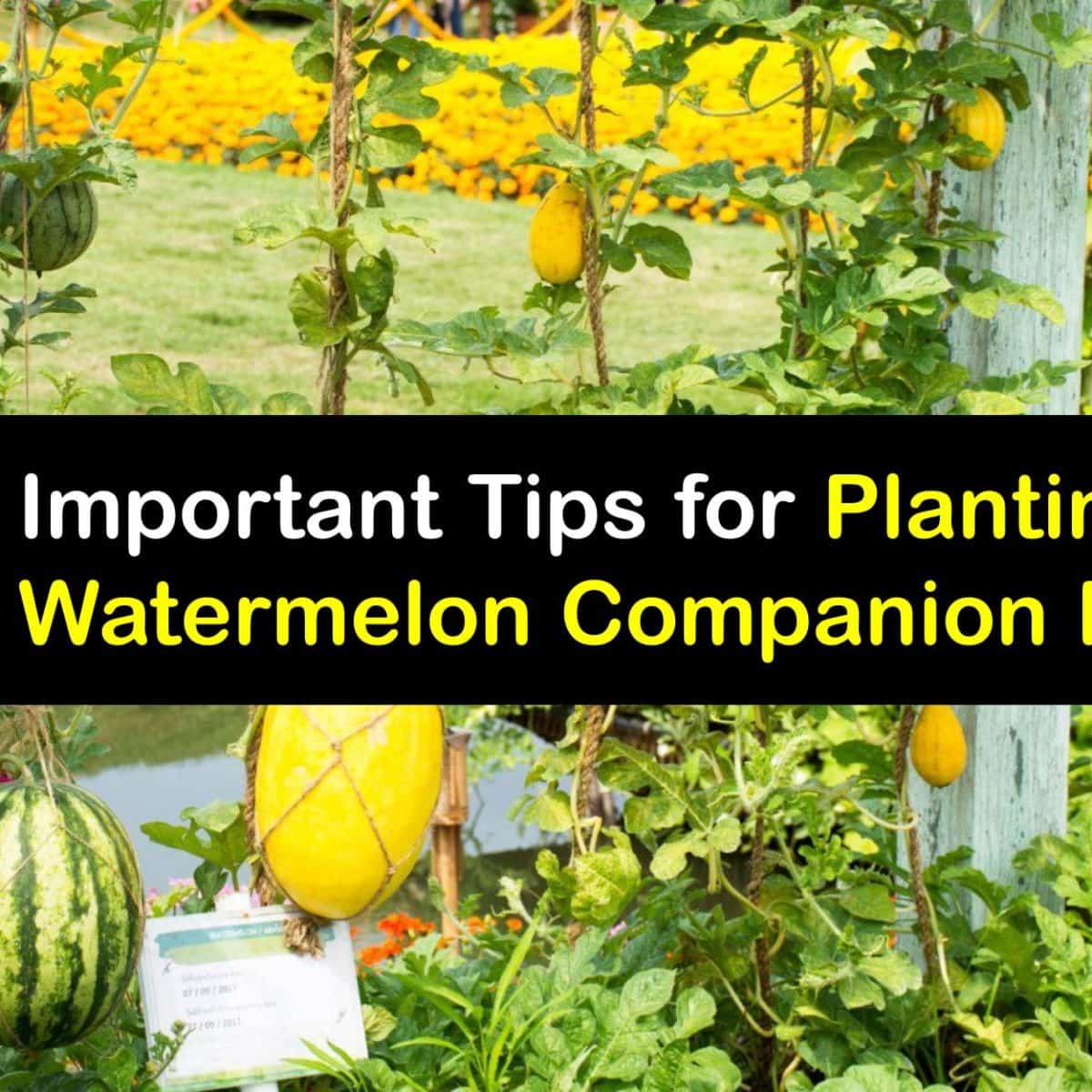
- Nasturtiums: Nasturtiums are another great insect-repelling companion plant. They also attract pollinators, which can help to improve the fruit set of watermelon and cantaloupe plants.
- Lettuce: Lettuce is a relatively low-maintenance plant that can help to suppress weeds and improve the soil quality around watermelon and cantaloupe plants.
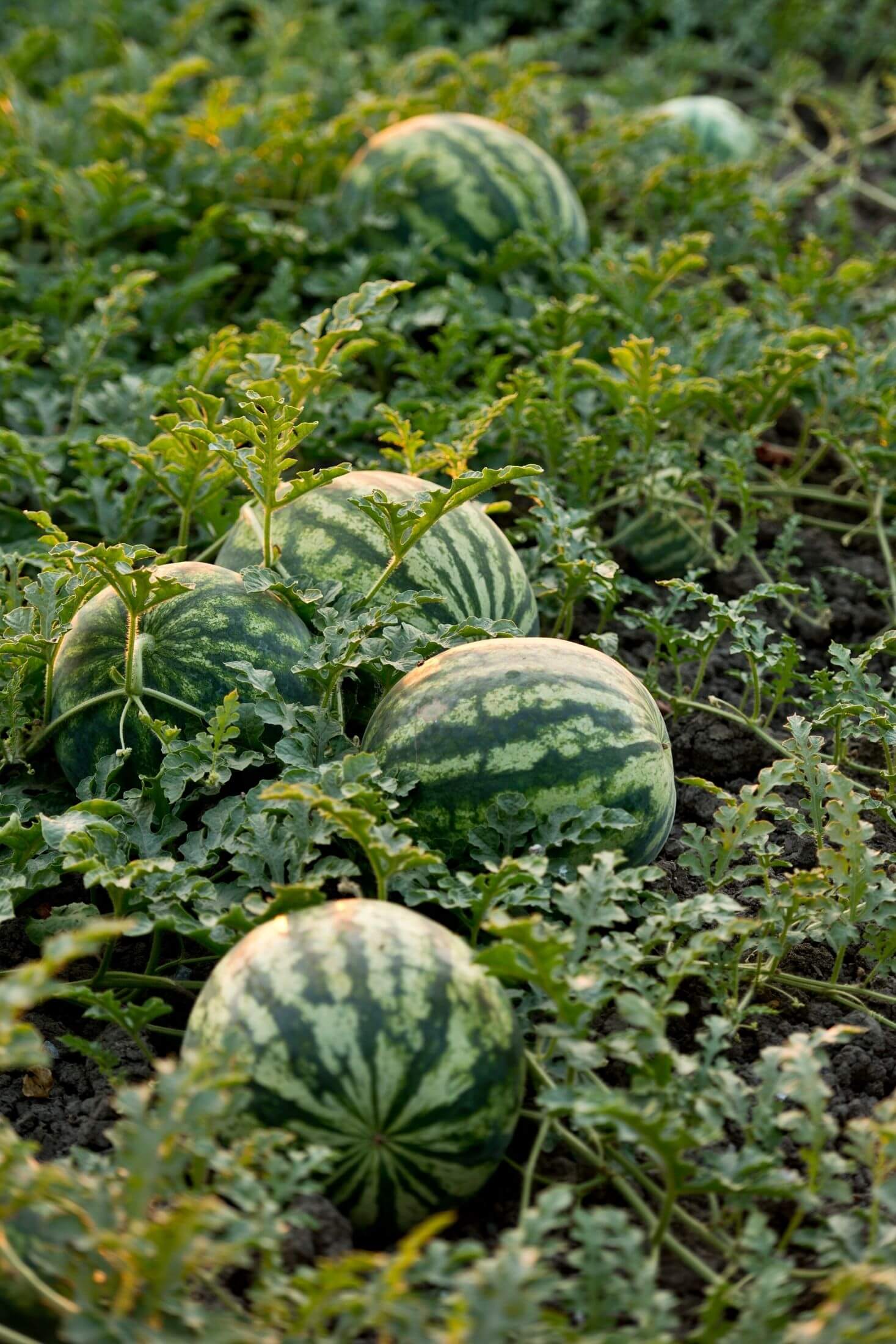
- Herbs: Herbs like basil, mint, and rosemary can help to improve the flavor of watermelon and cantaloupe fruits. They can also help to deter pests and attract pollinators.
- Radishes: Radishes are a fast-growing crop that can be planted in the same bed as watermelon and cantaloupe plants. They help to break up the soil and improve drainage, which can benefit both types of plants.

Post a Comment for " Best Companion Plants For Watermelon And Cantaloupe"